



Fall Maintenance Before the First Freeze
Fall chores go smoother in the right order. Here is how to sequence sealing, heating checks, gutter cleaning and pipe protection so your home is ready before the first hard freeze.
Read the article
Most homes don’t fall apart all at once. They wear down in small, quiet ways that a few hours each season can catch. Here’s a simple plan, season by season, built around what you’ll really have time to do.
Ask anyone who has spent years in other people’s basements and attics, and they’ll tell you the same thing: the expensive repairs usually start as cheap ones nobody noticed. A drip under a sink turns into a soft cabinet floor. A clogged gutter sends water toward the foundation for a whole spring. None of it is dramatic until it is.
This plan splits the year into four short lists plus a monthly walk-around. You won’t need special tools for most of it, and anything involving a roof, a gas line or an electrical panel goes to a licensed pro. Pick one weekend per season, put it on the calendar, and treat it like any other appointment.
Step 1 of 7
Before you follow any schedule, spend an hour learning what you actually have. Find the main water shutoff, the gas shutoff if your home has one, and the electrical panel, and make sure everyone in the house knows where they are. Write down the age and model of the furnace, air conditioner and water heater; the data plate on each unit usually lists them. Then snap a few photos of the roof from the yard and of the foundation from each side. Those pictures become your before shots, and they make next year’s changes much easier to spot.
A bright tag on the main water valve can save precious minutes when a pipe bursts. Show it to everyone in the house, including older kids.
Know where the breaker panel is and whether the breakers are labeled, but leave the cover in place. Anything behind it is work for a licensed electrician.
A notebook or a shared note on your phone works fine. Record the date, what you did, who did it and any model numbers you’ll want later.
Step 2 of 7
Once the ground thaws, walk the outside of the house slowly. Look up at the roof from the yard, ideally with binoculars, and note any shingles that are missing, curled or sitting crooked. Check that gutters are fastened tight and that downspouts empty several feet from the foundation. Turn on each outdoor faucet, then check the basement or crawlspace wall behind it if you can reach it; a pipe that split during a freeze often stays quiet until the first time you use it. Spring is also the time to book an air conditioning checkup, before the first hot week fills every contractor’s calendar.
Spotting damage from the ground is your job. Climbing up to fix it belongs to a roofer, since falls from roofs and ladders cause serious injuries.
Soil and mulch should slope away from the house. If settled beds now tip water toward the walls, rake them back before the spring rains.
Small tears in window and door screens are a quick fix. Do it now, before you start opening windows and inviting insects inside.
Step 3 of 7
Summer care is mostly about moisture and airflow. Check the furnace filter, because in most homes the same filter serves the air conditioning. Find the condensate line near the indoor unit and make sure it drains freely; a clogged line can back up and wet the floor around it. Keep plants, grass clippings and yard gear a couple of feet clear of the outdoor unit. If the basement smells musty, a dehumidifier and a closer look at where your downspouts empty often help. Before storm season, trim dead branches you can reach from the ground, and leave anything near power lines to the utility or a tree service.
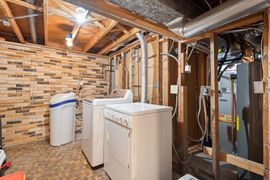
Lint collects in the duct as well as the trap. Pull the dryer out once a season and make sure air moves freely at the outside vent hood.
Sprinkler heads that soak siding or the foundation all summer put moisture right where you don’t want it. Adjust them to water the lawn, not the house.
Walk the perimeter and note gaps around pipes, cables and vents. Small openings are simple to seal, but an active infestation calls for a licensed pest control company.

Step 4 of 7
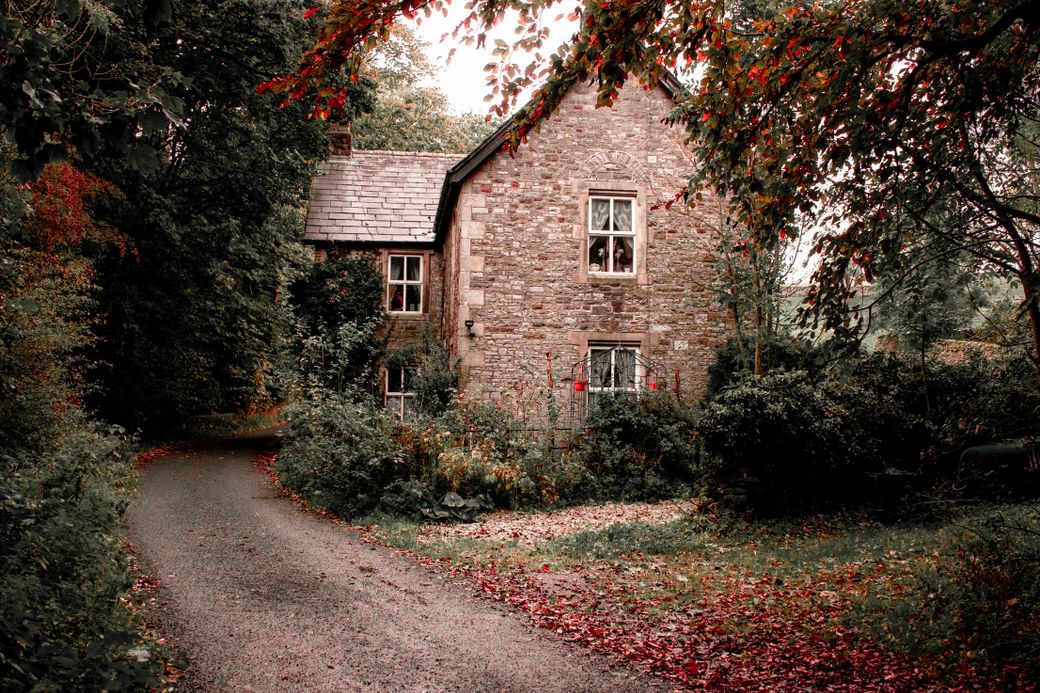
Fall is the busiest stretch on this plan, so guard that weekend on your calendar. Have the furnace or heat pump serviced before you need it every night. Clean the gutters once most of the leaves are down, or hire it out if your house is taller than one story. Disconnect garden hoses, drain them, and shut off exterior faucets from inside if your home has separate valves for them. On a windy day, walk each room and feel for drafts around windows, doors and outlets on exterior walls. If you burn wood, schedule a chimney sweep before the first fire of the season.
Push and hold the test button on each smoke alarm and each carbon monoxide alarm until it sounds. Swap batteries that are due, and replace any unit past the date printed on its label.
Weatherstripping and door sweeps make good weekend projects. Larger gaps around the foundation, attic or rim joist may be worth a pro’s opinion.
From the hatch, shine a flashlight across the underside of the roof. Daylight, damp insulation or droppings are all worth a closer look by a pro.
Step 5 of 7
Winter chores are lighter, but the stakes rise with every cold snap. Keep the heat on when you travel, even if you set it lower than usual. On the coldest nights, open the cabinet doors under sinks on outside walls so warm room air can reach the pipes. After a snowfall, clear snow away from furnace and water heater vents that exit through a side wall, and away from an outdoor heat pump. From the ground, watch the roof edge for thick ridges of ice or heavy icicles, which can point to an ice dam. Call a roofer rather than chipping at ice yourself.
If a faucet barely runs on a frigid morning, a pipe may be frozen. Open the faucet, warm the room gently and call a plumber if nothing changes.
Your furnace runs longer in winter, so filters load up faster. Look at yours monthly and change it once it turns gray and dusty.
Gas odor inside? Walk everyone out first and make the call to the utility or emergency services from the yard. Leave switches alone and let the pros find the leak.
Step 6 of 7
Seasonal lists catch the big things. A quick monthly lap catches the small ones while they’re still small. Choose a day that’s easy to remember, like the first Saturday, and walk the house with a flashlight. Open the cabinets under each sink and feel for dampness. Look at the floor around the water heater, the washing machine and each toilet. Press the test button on outlets that have reset buttons, usually found in kitchens, baths, garages and outdoors. Glance up at the ceilings for new stains. Most months you’ll find nothing, and that’s fine. Now you know.
Store a flashlight where the walk-around starts. You’re far more likely to look into dark corners when you don’t have to hunt for a light first.
A new stain, a slow drain or a strange noise goes into the log with the date. Patterns are much easier to explain to a contractor later.
Step 7 of 7
A realistic plan includes knowing where your part ends. Roof repairs, anything involving gas lines or gas appliances, work inside the electrical panel and pesticide application belong with licensed professionals. Licensing, permit and inspection rules change from state to state and city to city, and a job that needs no permit in one town may need one in the next. When you hire help, ask for proof of license and insurance, get the scope in writing and file the paperwork in your home log. Handing off the risky work leaves you time for the simple checks that head off problems early.
Your city or county building department can tell you which jobs need a permit at your address. A reputable contractor should know as well.
For bigger jobs, two or three written estimates help you compare scope, materials and timing, not just the total at the bottom.
Tick items off as you go. Nothing is saved or sent anywhere.
For a typical single-family home, plan on a morning or an afternoon per season for the homeowner tasks, plus a few minutes each month for the walk-around. Your first season takes longer because you’re finding shutoffs, reading data plates and setting up the log. After that, most of it becomes routine and goes faster.
Adjust the plan to your climate and situation. In mild regions, freeze prep may shrink to disconnecting hoses, while storm and humidity checks grow. If you own a rental, your lease and local rules may say who handles which tasks, so read them and put the schedule in writing with your tenant.
It depends on the system and on you. Some homeowners like having a heating and cooling company or pest control company on a recurring schedule because it takes the remembering off their plate. Others prefer to book service as needed. Read any agreement closely, check which visits it includes, and make sure it fits the equipment you actually have.
No. This plan is general education to help you keep up with routine care. It isn't professional advice and can't find hidden problems the way a licensed home inspector or trade pro can on site. If something on your walk-around worries you, have a qualified professional look at it in person.
The plan you'll stick with is the one that fits your weekends, so start small. Do the baseline walk-through, pick your four dates and let the monthly lap become a habit. If a season slips, pick up where you left off; the house will still be there. For more detail on individual systems, HomeIsSecure also offers plain-English guides for homeowners covering heating and cooling, roofs, plumbing and more. They're general education, so bring anything that looks serious to a licensed pro in your area.
The HomeIsSecure editors
Fall chores go smoother in the right order. Here is how to sequence sealing, heating checks, gutter cleaning and pipe protection so your home is ready before the first hard freeze.
Read the articleWhen an older home's to-do list feels endless, rank the work: safety first, then water, then aging systems, with extra care around materials like old paint and insulation.
Read the articleHow to help your cooling system through the heat, keep humidity from causing damage, and prepare your home and yard before summer storms arrive, with a simple pre-storm checklist.
Read the articleProperty and homeowner records, service-area maps, routes and outreach tools for HVAC, roofing, plumbing, pest, lawn and handyman crews.