

Preventing Frozen Pipes
Frozen pipes are one of the more preventable winter problems in a house. Learn which pipes are at risk, what to do in fall, and how to respond if one freezes.
Read the article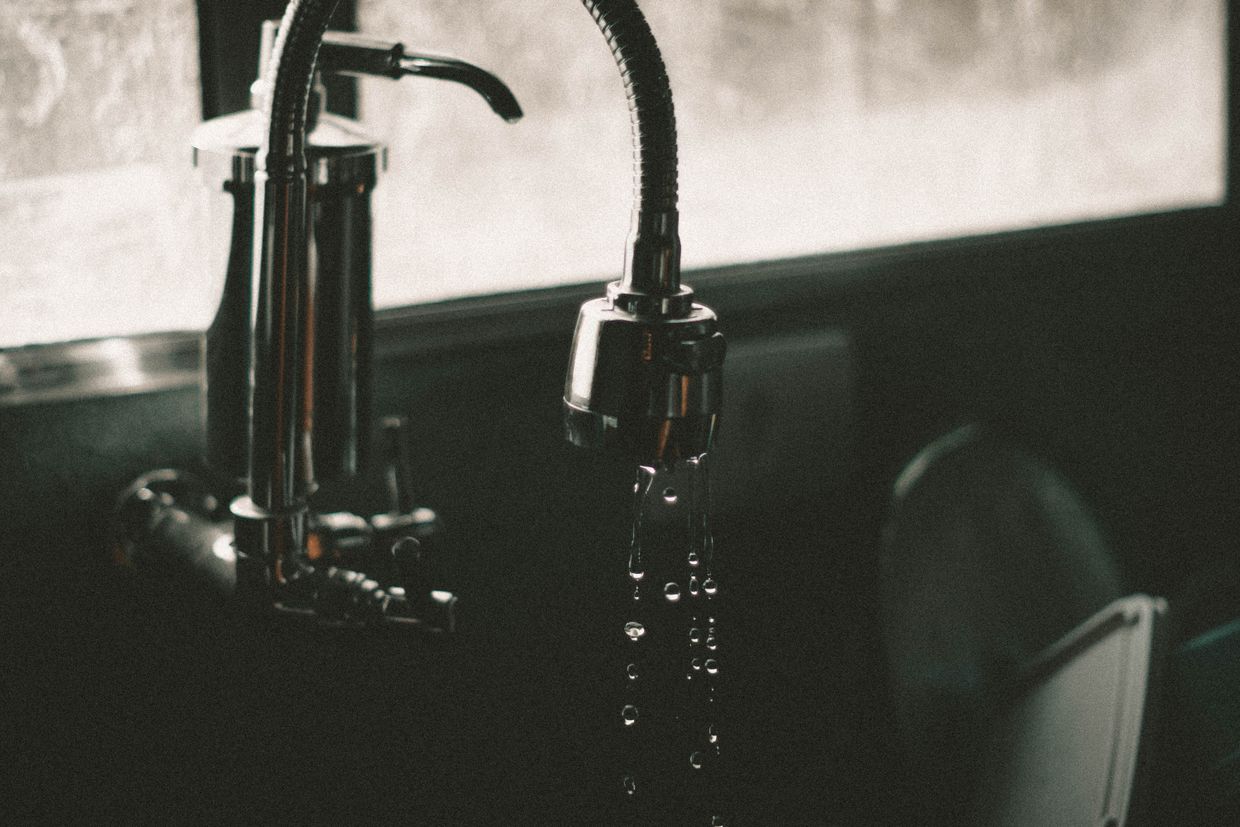
Water finds every weak spot eventually. With a few habits, a working knowledge of your shutoff valves and some yearly water heater care, you can catch many small plumbing problems before they soak a floor or a ceiling.
A plumbing leak rarely announces itself. It shows up as a cabinet floor that feels spongy, a water bill that creeps upward, or a faint ring on the ceiling below a bathroom. The fixes are often simple when you catch them early and costly when you don’t. The trick is knowing where to look and checking on a schedule.
This guide walks through shutoff valves, leak checks, drains, the water heater and cold weather protection. It also flags where to stop. Gas water heaters, gas lines, electrical connections and most replacement work belong with licensed plumbers and other licensed pros, and permit rules for that work vary by state and city.
Step 1 of 8
Every adult in the house should be able to shut off the water fast. The main shutoff is usually where the water line enters the home: in the basement, a crawlspace, a utility closet or the garage. In some warmer areas it sits outside, sometimes in a box near the street that may belong to the water utility. Beyond the main, most sinks and toilets have small stop valves underneath, and a tank water heater has a valve on its cold water inlet. Turn each one gently once a year so it doesn’t seize from sitting still.
Hang a bright tag or paint a mark on the main valve, and keep a clear path to it. In an emergency, nobody should have to move boxes first.
If a valve won’t turn with firm hand pressure, stop. Forcing an old valve can snap the stem, and a plumber can replace it on a calm day instead.
The cold water valve at the top of a tank water heater lets you isolate it if the tank leaks, without shutting off water to the whole house.
Step 2 of 8
Small leaks rarely stay small. Once a month, open the cabinets under sinks and run a hand along the pipes and the cabinet floor. Look around the base of each toilet for water, rocking or soft flooring. Check behind the washing machine for drips at the hose connections. Every so often, try a meter test: turn off every fixture and appliance that uses water, then watch the meter for a few minutes. Many meters have a small dial or triangle that spins when water is moving. If it turns while everything is off, you likely have a leak somewhere.
Add a few drops of food coloring to the toilet tank and wait without flushing. Color showing up in the bowl means the flapper is leaking.
Look for bulges, cracks or rust at the fittings. Replace hoses on the schedule the manufacturer suggests, and consider reinforced hoses if yours are plain rubber.
A bill that climbs with no change in your household habits is worth a closer look. Compare it with the same month last year.
Step 3 of 8
Many clogs are built one small habit at a time. Cooking grease, coffee grounds, eggshells and stringy peels don’t belong down the sink, even with a disposal. Wipes, cotton swabs and paper towels shouldn’t go in the toilet, whatever the package says. Fit strainers in sinks and tubs and empty them often. For a slow drain, start with a plunger or a hand drain snake. If several drains gurgle or back up at the same time, especially the lowest ones in the house, the problem may be in the main sewer line, and that’s a call for a plumber.
Harsh drain chemicals can damage some pipes and cause burns. Never mix products, and tell your plumber if you’ve already poured something down.
For repeat backups, many plumbers can run a camera through the line to see roots, sags or breaks before recommending a fix.
Step 4 of 8
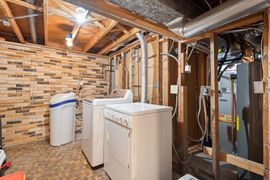
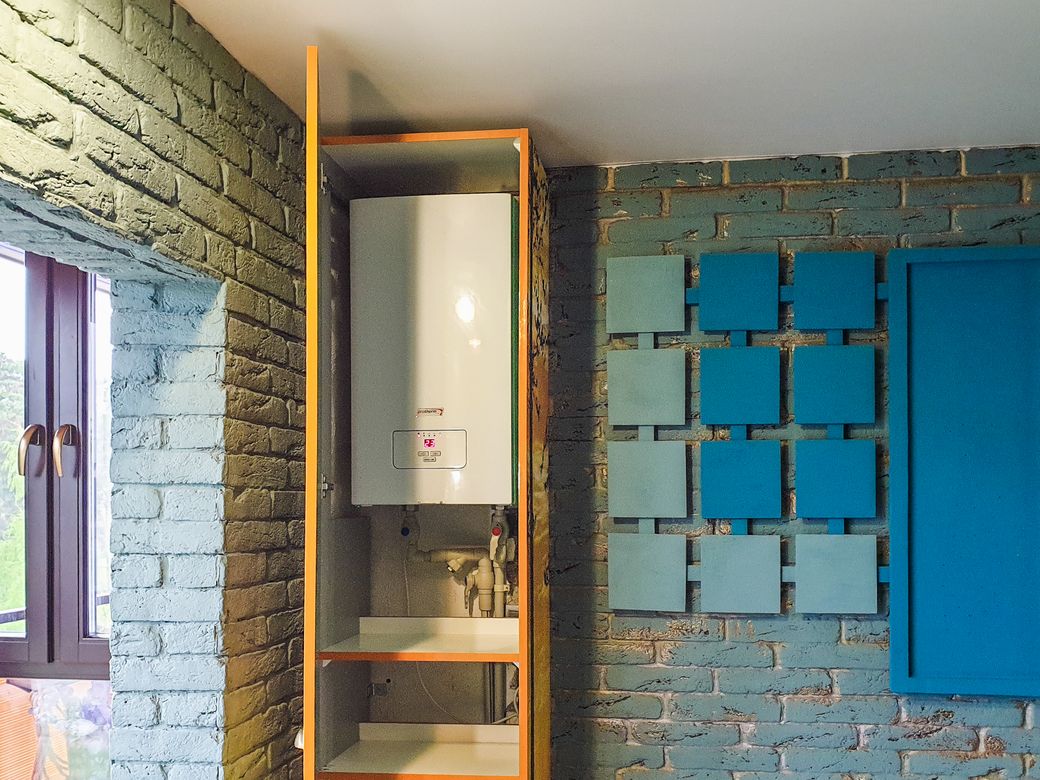
Homes usually have either a tank water heater, which keeps a supply hot and ready, or a tankless unit that heats water as it flows. Tanks run on gas or electricity. Find the data plate to learn the capacity, fuel type and age. On a tank, locate the temperature and pressure relief valve, usually on the top or side, along with the pipe that runs down from it. That valve opens if pressure or temperature climbs too high, so its discharge pipe should never be capped or blocked. A setting around 120 degrees Fahrenheit is commonly recommended to lower scald risk, but follow your manual.
Give a gas water heater plenty of open space. Store paint, gasoline and cleaning products well away, since fumes can reach a burner flame.
Some homes need a small expansion tank on the cold line. Whether yours does depends on local code and your water system, so ask a plumber.
On a gas unit, the vent pipe on top should be firmly connected and slope upward. A loose or rusted vent is a job for a licensed plumber right away.
Step 5 of 8
Minerals in water settle to the bottom of a tank over time, forming sediment that can make the heater rumble and work harder. Many manufacturers suggest draining a few gallons or flushing the tank periodically, often once a year. Your manual spells out the steps, including how to turn the unit off before you begin. If your heater burns gas, consider leaving the flush to a plumber. Tankless units need a different routine, usually descaling on a schedule that depends on your water. Write each flush in your home log so you know when the next one is due.
If you see white crust on faucets and showerheads, your water is likely hard. Ask a plumber whether your tank or tankless unit needs more frequent service.
If the drain valve drips after flushing or won’t close fully, shut the cold inlet and call a plumber. Old plastic drain valves can crack.
The anode rod inside the tank slowly wears away to protect the steel. A plumber can check it every few years and replace it if needed.
Step 6 of 8
Water heaters often give you a heads-up before they fail completely. Rusty or discolored hot water, a rotten egg smell in the hot water only, popping or rumbling sounds, and hot water that runs out much sooner than it used to are all worth a service call. Moisture or a slow drip at the base of the tank is more urgent, since tank leaks tend to get worse. On gas units, watch for soot, scorch marks near the burner access or a pilot that keeps going out. Note what you see and when, and share it with the plumber.
A tank leaking from the bottom usually can’t be repaired. Shut the cold inlet valve, follow the manual to turn the unit off and call a plumber.
Get out of the house right away and phone the gas company or emergency services once you’re clear of the building. Don’t try to relight a pilot or adjust anything.
Water from the relief valve pipe can mean pressure or temperature is running too high. Don’t cap the pipe; have a licensed plumber check the system.
Step 7 of 8
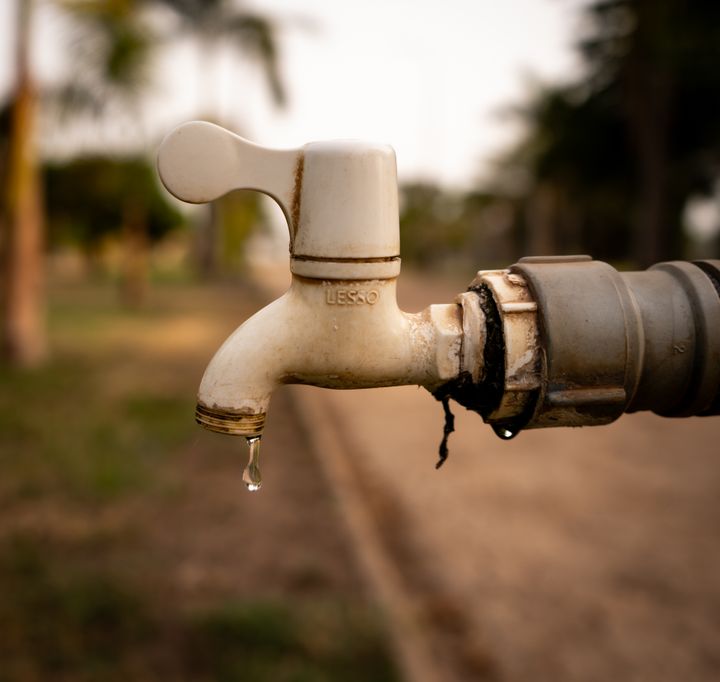
Frozen pipes crack, and the leak often starts once the ice thaws. Insulate pipes in unheated areas like crawlspaces, garages and exterior walls, using foam sleeves sized to the pipe. Before the first hard freeze, disconnect hoses and shut off and drain outdoor faucets if they have separate indoor valves. On bitterly cold nights, a slow drip from a faucet on an outside wall and open cabinet doors can help, though some water utilities issue their own guidance during cold snaps. If you’ll be away for a long stretch in winter, ask a plumber about draining the system.
Electric heat cables for pipes must be rated for the job and installed per the instructions. Old or damaged cables can overheat, so ask a pro.
Many newer homes have frost-free outdoor faucets, but they still need the hose disconnected to drain properly. A hose left on can trap water and split the pipe.
Step 8 of 8
Plenty of plumbing care is yours to handle. Some of it isn’t. Call a licensed plumber for low pressure throughout the house, sewer odors, repeated backups, a leaking or failing water heater, moving or adding fixtures, and anything that involves a gas line. Licensing rules for plumbers vary by state and city, and many plumbing jobs require a permit and inspection. Ask for the license number, proof of insurance and a written estimate that spells out the work, the materials and who handles the permit. Keep the paperwork with your home records.
Tell the plumber when the issue started, which fixtures are involved and what you’ve tried. Photos and your notes from the monthly check help a lot.
Tick items off as you go. Nothing is saved or sent anywhere.
Many manufacturers suggest flushing a tank water heater about once a year, and more often with hard water, but your manual is the final word. Tankless units usually need periodic descaling instead. If your tank has never been flushed and is several years old, ask a plumber first, since stirring up heavy sediment can leave you with a leaky drain valve.
They can damage some pipes, harm skin and eyes, and create dangerous fumes if mixed with other products. For a slow sink or tub, try a plunger or a simple hand drain snake first. If more than one drain is backing up at once, the problem may be in the main line, which is a job for a plumber.
Shut off the main water valve right away, then open a faucet on the lowest floor to drain what’s left in the lines. Keep away from any spot where water has reached outlets, light fixtures or the breaker panel, and get a licensed electrician or your power company involved. Then call a plumber, take photos and contact your insurance company.
In many places you do, but it depends on your state and city. Permits often cover venting, gas connections, relief valve piping and earthquake strapping where it’s required. A licensed plumber should know the local rules and handle the permit. You can also call your local building department to ask what applies to your address.
Plumbing care comes down to knowing your valves, looking in the same places on a schedule and respecting the jobs that belong to a licensed plumber. Keep a flashlight, a bucket and a few towels where you can grab them, and write down what you find. Guides like this one from HomeIsSecure cover the systems around your house in plain English, and they're meant as general education rather than professional advice. If you smell gas, see water near wiring or can't stop a leak, call the right pro right away.
The HomeIsSecure editors
Frozen pipes are one of the more preventable winter problems in a house. Learn which pipes are at risk, what to do in fall, and how to respond if one freezes.
Read the articleThere is no single right schedule for changing an HVAC filter. Here is a sensible starting point, the factors that shorten it, and how to pick and install the right filter.
Read the articlePuddles, popping sounds, rusty water and odd smells can all be early signs of water heater trouble. Here is what each one may mean and when to call a plumber.
Read the articleProperty and homeowner records, service-area maps, routes and outreach tools for HVAC, roofing, plumbing, pest, lawn and handyman crews.