Keeping Pests Out: Entry Points Most Homes Miss
Most pests walk in through small gaps homeowners overlook. Here is where to look, from the foundation to the roofline, how to seal common openings, and when to call a licensed pro.
 HomeIsSecure Editors5 min read
In this article7 sections
Pests rarely break in. They walk in through an opening nobody noticed: a gap where a cable enters the wall, a garage door that no longer meets the floor, a vent with a torn screen. Mice, insects and other critters are experts at finding these spots, and they don't need much room. An opening you would dismiss as a shadow can be plenty for a mouse or a line of ants.
Once you know where those openings tend to hide, many of them make for an easy weekend fix. This guide works from the ground up, then covers the yard habits that draw pests close to the house in the first place.
Start at the foundation
Get down low with a flashlight and look at the line where your house meets the ground. Cracks in the foundation, gaps along the sill plate (where the wood framing sits on the foundation), and openings around crawl space vents and access doors are common entry points. Crawl space vents should have intact screens, and access doors should close snugly. Basement window frames and window wells are worth a look as well, since rotted frames, missing screens and wells full of leaves give pests a sheltered spot right next to an opening.
If your house has brick veneer, you may notice small, regularly spaced gaps in the mortar near the bottom of the wall. These are weep holes, and they let moisture drain from behind the brick. Don't seal them shut. If insects are using them, ask a pro about vent covers designed for weep holes.
Pay attention to anything touching the house at ground level: soil and mulch piled against siding, firewood stacked against a wall, and shrubs pressing on the foundation. Each one gives pests cover and a bridge to the structure.
Where pipes, wires and vents pass through
Every place a pipe, wire or duct passes through an exterior wall is a potential doorway. Check where the air conditioning refrigerant lines enter, where cable, phone and electrical lines come in, around outdoor faucets, and where the gas line enters if you have one. Look at dryer vents, bathroom and kitchen exhaust vents, and any old, unused openings from past equipment. Then check the same spots from the inside, under sinks and behind the washer, where pipes come through the wall and builders sometimes leave oversized holes.
Small gaps can usually be sealed with exterior-grade caulk. Larger gaps may need copper mesh or a similar material packed in first, then sealed over, since rodents can chew through foam alone. Dryer vents need a working flap or a cover designed for dryer exhaust, never a fine screen that traps lint, which is a fire hazard. Leave electrical service entries, gas meters and gas piping to the utility or a licensed pro, and don't block anything designed to vent.
Doors, windows and the garage
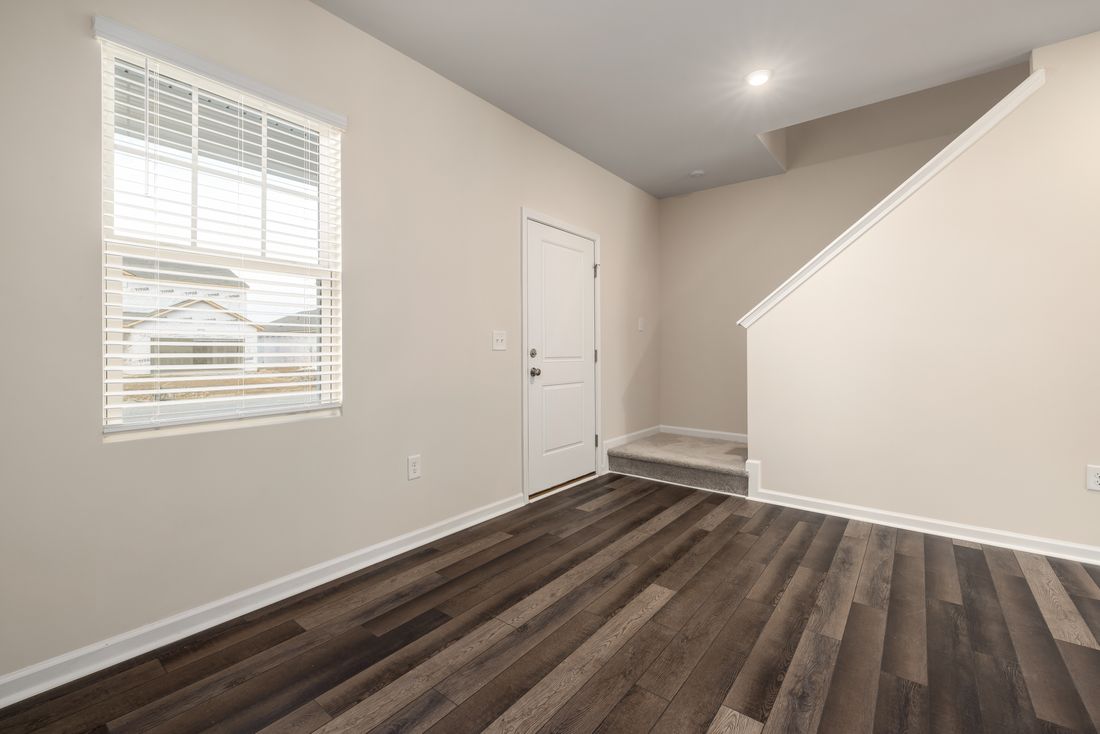
Stand inside on a sunny day with the lights off and look at the bottom and sides of each exterior door. If you can see daylight, a bug can get through. Door sweeps and weatherstripping wear out and are usually simple to replace. Check thresholds too, since some are adjustable. Sliding patio doors often have worn brush-style weatherstripping along the edges, and their screens may no longer latch tightly.
The garage is a common weak spot. The rubber seal along the bottom of the garage door cracks and flattens over time, and the side seals can pull away. Look for gaps where the door meets the floor, especially at the corners. Inside, check the door between the garage and the house as carefully as your front door.
On windows, repair torn screens and replace any that no longer fit tightly. Window air conditioners, pet doors and old mail slots deserve a look as well.
Up high: the roofline and attic
Bats, squirrels, birds and some insects prefer to come in from above. From the ground, look for gaps where the roof meets the fascia, damaged soffit panels, loose vent screens, and missing or damaged chimney caps. Tree branches touching or hanging over the roof act like a ramp. Plumbing vent pipes and ridge vents are designed to stay open, so any screening there should be a product made for that purpose and installed by a pro.
Roofline repairs involve ladders and roof work, which is a job for licensed pros. Wildlife is another reason to call for help: some animals are protected, and rules on trapping, exclusion and timing (for instance, during nesting season) vary by state. A licensed wildlife or pest control professional can tell you what applies where you live.
A weekend sealing checklist
Gather caulk, a caulk gun, copper mesh or hardware cloth, door sweeps, weatherstripping and a flashlight, then work through this list:
- Seal small cracks and gaps around pipes, wires and cables with exterior caulk.
- Pack larger holes with copper mesh before sealing over them.
- Replace worn door sweeps and weatherstripping on exterior doors.
- Check and replace the bottom seal on the garage door.
- Repair or replace torn window and door screens.
- Confirm crawl space vents and attic vents have intact screens.
- Make sure the dryer vent has a working flap and no lint buildup.
- Pull mulch and soil back a few inches from siding.
- Move firewood away from the house and off the ground.
- Note roofline gaps and overhanging branches for a pro to handle.
Yard habits and when to call a pro
Sealing works much better when the yard isn't sending out invitations. Fix leaky outdoor faucets, empty standing water from buckets and plant saucers, keep gutters flowing, and store pet food and birdseed in sealed containers. Keep trash cans closed and, where you can, away from doors. Trim shrubs so they don't touch the house.
Moisture inside the house matters just as much. Leaky pipes under sinks, a damp crawl space or a bathroom without working ventilation create the humid conditions many insects look for. Fixing those problems takes away one of the main reasons pests want to be indoors at all.
When you see droppings, gnaw marks, mud tubes on the foundation, winged insects swarming indoors, or pests despite your sealing work, it's time for a licensed pest control professional. Pesticide use belongs with trained, licensed applicators, and pesticide rules vary by state and city. Always get a pest identified before anything is applied, since the right approach depends on what you're dealing with.
Keep an eye on it
Pest-proofing isn't a one-time project. Seals wear, new cables get run, and shrubs grow back. A quick check each spring and fall keeps small gaps from turning into open doors. HomeIsSecure's homeowner guides cover related seasonal jobs, from gutters to winter prep, if you want to fold this into a bigger maintenance routine.
This article is general information, not professional advice. Gas, electrical, roof and pesticide work belongs with licensed pros, and codes and permits vary by state and city.