Reading Your Roof: Shingle Wear and When to Call a Pro
You can learn a lot about your roof from the ground. Here is how to spot shingle wear, find likely leak points, check the attic, and know when to call a roofer.
 HomeIsSecure Editors5 min read
In this article7 sections
Most roof problems give off signals long before a brown ring appears on a ceiling. The trick is knowing what those signals look like and doing all of your looking from somewhere safe. A decent pair of binoculars and a phone camera with a good zoom will tell you more than you might expect.
This guide focuses on asphalt shingles, since they cover so many homes, but the habits apply to most roofs: look for change over time, pay special attention to the places where the roof is interrupted, and check from the inside as well as the outside.
Do all your looking from the ground
Roof work is a job for licensed, insured professionals. Falls from ladders and roofs are a serious risk, shingles can be slick even when dry, and walking on a worn roof can cause the very damage you are trying to find. So stay on the ground. Circle the whole house, step back far enough to see each slope, and use binoculars or your phone's zoom. If a neighbor's yard or a second-floor window gives you a better angle, use it.
Take photos of each side of the roof, and do it the same way each spring and fall. Comparing this year's pictures to last year's is the easiest way to notice a patch that is getting darker, a ridge that has started to dip, or a shingle that has gone missing.
What worn shingles look like
Shingles age in fairly predictable ways. Here is what to look for.
Granule loss
The rough, sandy surface on asphalt shingles is made of granules that shield the layer underneath from the sun. As shingles age, granules wash off. You may see them collecting in gutters or piling up where downspouts empty. On the roof itself, look for patches that look smoother, darker or blotchy compared to the rest. A few loose granules after installation are normal. A steady supply every time it rains is a sign of wear.
Curling, cupping and cracking
Aging shingles can curl up at the edges, or lift in the middle while the corners stay down. From the ground, this makes the roof look ribbed or uneven. Cracks, often running across the shingle, show up as thin lines. Poor attic ventilation can speed up this kind of wear, which is one reason a roofer may ask about your attic.
Missing, lifted or creased shingles
Wind can break the seal between shingles and lift them. Sometimes they blow off, leaving a patch of a different color. Sometimes they flop back into place with a visible crease across them, which means the seal has let go. Either way, the layers underneath are more exposed than they should be.
Streaks and moss
Dark streaks running down a roof are often algae, which is mostly a cosmetic issue, though it's worth a roofer's opinion. Moss is different. It holds moisture against the shingles and can lift their edges. Don't pressure wash a shingle roof or scrape at moss from a ladder. Ask a pro about safe treatment options for your roofing material.
The places leaks usually start
The broad, open fields of shingles are rarely where water gets in first. The trouble spots are the places where the roof is interrupted or changes direction: flashing around chimneys, skylights and walls; valleys, where two slopes meet and water concentrates; and the rubber or metal boots around plumbing vents. Look for flashing that is bent, lifted or rusted, sealant that has cracked or pulled away, and vent boots that look split or sun-worn. A sagging ridgeline or a dip in a slope is also worth a professional look, since it can point to problems with the decking or framing beneath.
In snowy climates, watch the eaves in winter as well. Thick ridges of ice along the roof edge, called ice dams, can back meltwater up under the shingles, and a heavy fringe of icicles often means warm air is escaping into the attic. Don't chip or pry at the ice yourself. A roofer or insulation contractor can look at the cause, which is usually a mix of insulation and ventilation.
Look from the inside, too
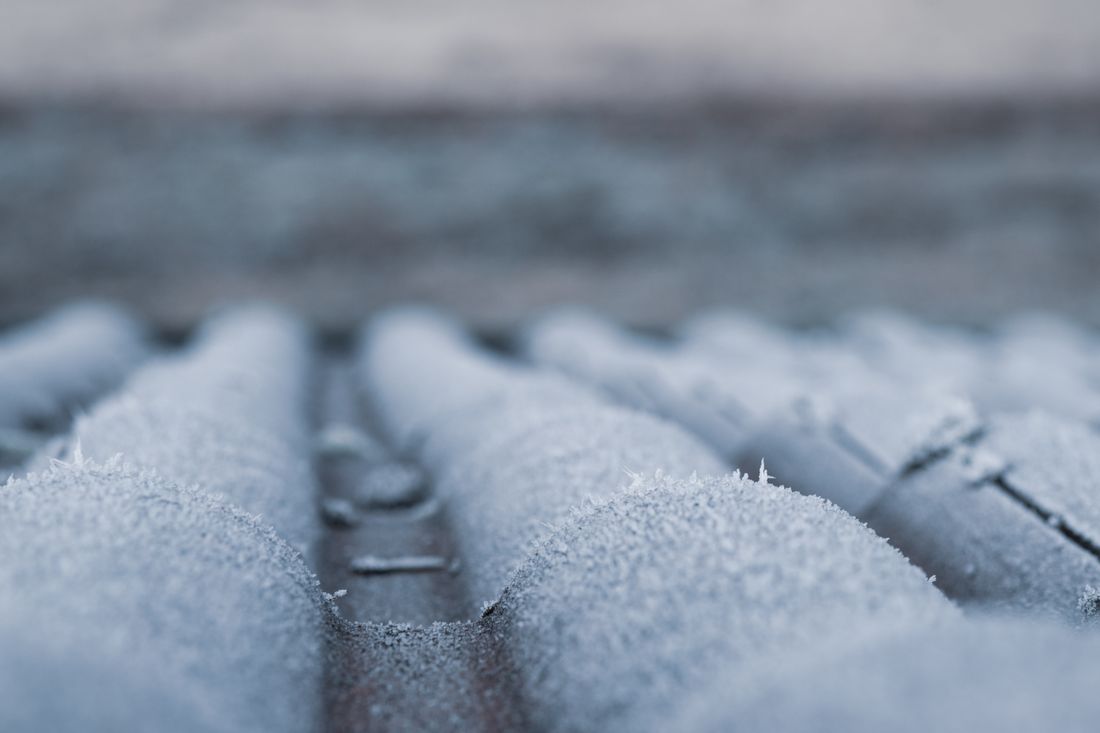
Your attic can confirm what you see from the yard. On a bright day, bring a flashlight, wear sturdy shoes, and step only on the framing or any flooring that is there, never on the insulation between joists. Look for daylight coming through the roof boards, water stains or dark spots on the underside of the decking, damp or matted insulation, and rusty nail tips. In winter, frost on nails or on the underside of the roof can point to ventilation or moisture problems. A musty smell is a clue too.
Water can run along rafters before it drips, so a stain in one spot doesn't always mean the leak is directly above it. That's one more reason to leave the diagnosis to a roofer.
A twice-a-year roof check
Each spring and fall, and after any major storm, run through this list from the ground and the attic:
- Photograph every slope of the roof from the same spots as last time.
- Look for missing, lifted, creased or curled shingles.
- Check gutters and downspout outlets for heavy granule buildup.
- Scan flashing, valleys, skylights and vent boots for gaps or damage.
- Note moss, heavy debris, or branches touching or hanging over the roof.
- Walk the attic for stains, damp insulation, daylight or musty smells.
- Check ceilings in top-floor rooms and closets for new stains.
- Write down the approximate age of the roof if you know it, and keep your records together.
When to call a roofer
Call a licensed roofer if you find active leaks, missing shingles, damaged flashing, sagging, or widespread granule loss, or if your roof is getting up in years and hasn't been inspected. When you talk to roofers, ask about licensing and insurance (requirements vary by state and city), whether the job will need a permit, how they will protect your yard and gutters, and what warranty terms apply to both the materials and the labor. Get every estimate in writing. If the roof needs replacing, ask whether the old layers will be removed and how the decking underneath will be checked, since both affect what the job includes.
After a big storm, take your time. A reputable roofer will give you a written estimate and room to decide. Be cautious with anyone who pressures you to sign on the spot, asks for a large payment up front, or offers to handle your insurance claim before you've spoken with your insurer yourself.
Keep your roof records handy
A roof is easier to care for when you have a history: install date, repair notes, photos and warranty paperwork in one folder. HomeIsSecure's homeowner guides cover related jobs like gutter care, seasonal checklists and hiring a contractor, so the rest of the house gets the same steady attention.
This article is general information, not professional advice. Gas, electrical, roof and pesticide work belongs with licensed pros, and codes and permits vary by state and city.