Building a Neighborhood Canvassing Route
A good canvassing route saves time and respects homeowners. Learn how to check local rules, pick the right streets, plan an efficient loop and log what happens at each door.
 HomeIsSecure Editors5 min read
In this article7 sections
Anyone who has canvassed without a plan knows the feeling. You park at one end of a neighborhood, work a few houses, remember a street you meant to hit across town, drive over, find half the homes have No Soliciting signs and finish the day with sore feet and a handful of real conversations. The pitch wasn't the problem. The route was.
A well-built canvassing route puts your people in front of the right homes, at reasonable hours, with as little wasted walking as possible. It also keeps you on the right side of local rules and homeowners' patience, which matters just as much as the miles.
Check the local rules first
Door-to-door rules are set locally, and they vary a lot from one town to the next. Before you pick a single street, find out:
- Whether the city or county requires a solicitation or peddler permit, and whether each canvasser needs their own.
- What hours door-to-door visits are allowed, if the town limits them.
- Whether the town keeps a no-knock or do-not-solicit list for residents.
- How local rules treat No Soliciting signs. Even where the law is unclear, honor them.
- Whether homeowners association or gated community rules restrict access.
Keep in mind that mailboxes are for postal mail. Leave flyers or door hangers where local rules allow, never in the mailbox itself.
If you plan to follow up by phone or text with anyone you meet, the usual telemarketing, do-not-call and consent rules still apply. A friendly chat on a porch isn't the same as permission to send marketing texts next week.
Choose your area with a purpose
Random streets produce random results. Pick an area for a reason you can explain.
Some businesses start around current or recent jobs, since a crew already working on the street is a natural conversation starter. If you mention nearby work, don't name the customer or their address without permission. "We're doing some work in the neighborhood this week" says enough.
Others choose areas based on property details that fit their services, such as homes of a certain age, single-family houses with larger lots or owner-occupied homes where records show it. Choose by the characteristics of the houses, never by who lives in them. Race, religion, national origin and similar traits have no place in how you pick streets.
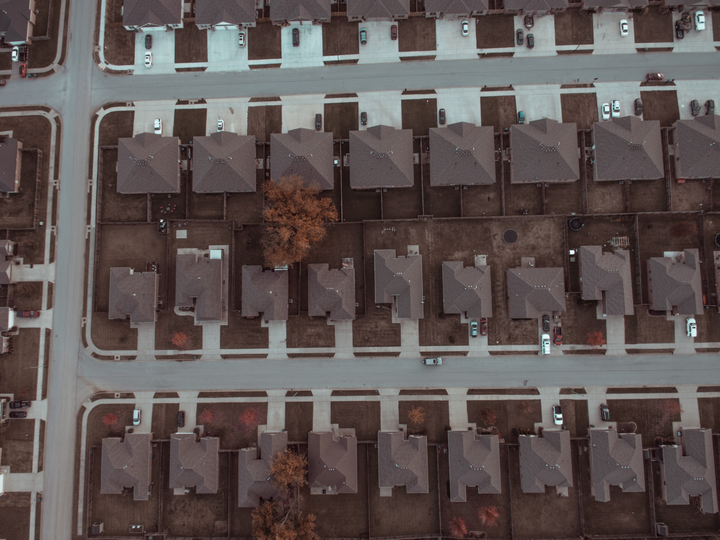
Keep the area to what one canvasser can cover in a session. A few connected streets worked well beat a whole zip code worked badly.
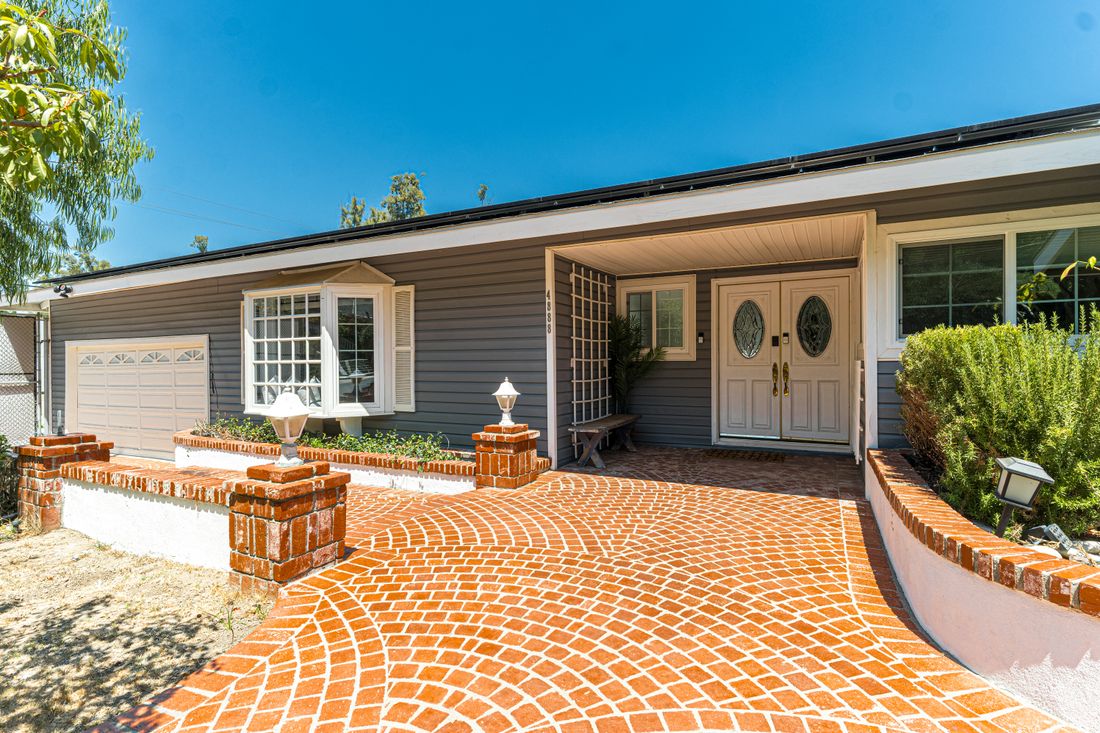
Look closely at the map before you commit. Streets with long driveways, steep hills or no sidewalks take longer to walk than their length suggests, and a neighborhood split by a busy road may need two routes instead of one.
Build the route
Once you have the area, map it. A route planning app or a printed map and a highlighter both do the job.
Walk in loops
Plan routes that end near where they started, so the canvasser finishes close to the truck. Work one side of a street, then come back along the other, rather than crossing back and forth at every house.
Cluster, then connect
Group homes into tight clusters and link them with the shortest walk. Skip long stretches of commercial property and any homes already marked as do-not-visit.
Park with care
Park legally and well clear of driveways and mailboxes. A truck blocking someone's driveway is a poor way to start a conversation.
Match the clock to the street
Weekday evenings and weekend daytimes may find more people home, but respect local hour limits and common sense. Plan to finish before dark, and steer around dinnertime where you can.
Put safety on the map
Canvassers should work in pairs or check in with the office on a set schedule. Loose dogs, icy steps, unlit porches and any situation that feels off are reasons to skip a house and keep walking, not obstacles to push through.
At the door
The route gets you there. How you behave on the porch decides whether anyone wants to see you again.
Knock or ring once, then step back. Introduce yourself, your company and why you're in the neighborhood in a sentence or two. Wear a company shirt, carry ID and have your permit on you if one is required. Offer something useful, like a seasonal maintenance tip sheet, instead of launching straight into a pitch.
If the answer is no, thank them and go. Don't argue, don't come back the next day and don't push anyone to sign anything on the spot. If nobody answers, leave a door hanger where local rules allow and move on.
For work involving roofs, gas appliances, electrical panels or pesticides, don't offer to take a quick look right then. Those are jobs for licensed, properly equipped pros on a scheduled visit.
A canvassing day checklist
- Permits, company ID and proof of insurance are in hand.
- The route map marks do-not-visit homes and No Soliciting addresses.
- Canvassers know the local hour limits and the planned finish time.
- Leave-behinds show accurate contact details and make no promises.
- A simple log sheet or app is ready to record every door.
- Everyone knows to accept a no and never press for a same-day decision.
- Water, sunscreen and a charged phone are in the truck.
- Someone at the office knows the route and the expected return time.
Log it and learn
Every door tells you something. Record the outcome at each one: no answer, not interested, wanted information, booked an estimate or asked not to be contacted again. That last group goes on your do-not-contact list right away and comes off every future route.
Over a few weeks, patterns start to show. Some streets may be friendlier at certain times of day. One leave-behind may bring in more calls than another. Adjust the next route based on what actually happened, not on what you hoped would happen.
Share what you learn with the rest of the team. A note that one street is mostly homes where an association handles the exterior, or that a block is dotted with No Soliciting signs, saves the next canvasser a wasted afternoon.
Follow up only in the ways each homeowner agreed to. If someone asked for a call back, call. If they took a flyer and said they'd think about it, let them think.
Planning routes with better data
Route planning goes faster when the property details and the map sit in one place. HomeIsSecure gives home service businesses homeowner and property data tools for mapping a service area, building lists and planning routes, with outreach kept within local and consent rules. The knocking, the listening and the respect on the porch are still up to your team.
This article is general information for business owners, not legal advice. Telemarketing, consent, licensing and solicitation rules vary by state and city.